Plastic injection mold manufacturing process: A guide
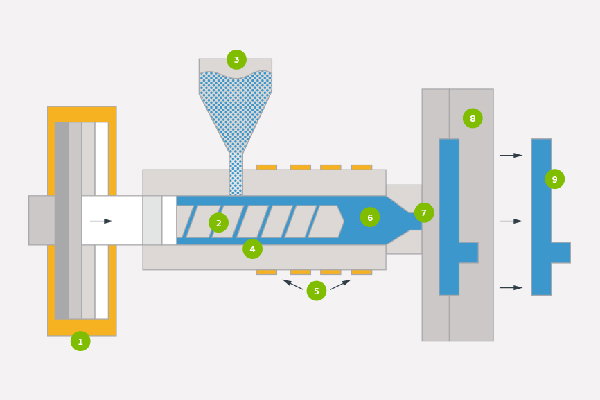
With so many options in thermoplastics and thermosetting plastics, it can be tough to decide which is best for you. Thermoplastics are preferable when the product needs a long lifespan or high performance levels of temperature resistance that cannot be met by traditional materials like metals and ceramics. One-time use products made from thermoplastic usually have lower production costs than their counterparts with higher durability standards because they don't need any post processing steps after being molded into shape; all they require is packaging!
On the other hand, if your goal is an elegant design rather than one built to last through years of hard work then going with our selection of beautiful thermoset plastics will give you
The two key terms when it comes to plastics, thermosets and thermoplastic are both important. Let's look at what they each mean first before diving in-depth!
Thermosets:
Thermosets are a class of polymers that set into rigid materials when they cure. They’re often more versatile than thermoplastic plastics and can be used in various applications like injection molding, alkyd paints, epoxy resins for use with fiberglass insulation as well as phenolic laminates or high performance military parts to name just some examples.
Thermoplastics:
Thermoplastics are a versatile form of polymer that has many unique benefits. They can be reshaped with heat and have the ability to retain their shape when heated again, unlike other types of plastics such as thermosets which cannot withstand recreating without damaging them in some way. Thermoplastics also possess good strength, shrinking resistance and flexibility despite being lightweight material; they're resistant to chemicals too!
thermoset injection moulding is one of the most common processes used to manufacture plastic parts. Thermoplastics and thermoplastics differ in several ways, but they both require different treatments during the injection molding process. Thermoplastics and thermoplastics differ in several ways, but they both require different treatments during the injection molding process.
Thermoplastic plastics, unlike thermoset plastics, do not cure or harden upon contact with heat; hence they can be reheated without risking their structural integrity if it doesn't meet required specifications right away. This means that this type of material requires less energy for production than other materials which use a curing cycle followed by an additional heating step such as glass reinforced nylon (GRN).
Essentially there will always be some similarities between these two types but when you know how each
Thermosets
- Thermoset injection molding is still the most common process for making high volume plastic parts.
- Thermal setting inks are injected in a heated, closed-die cavity and forced under pressure to form an irreversible chemical bond with the substrate surface.
- This allows part designers more flexibility over their designs by using thermosets instead of thermoplastics which can be remolded after application because they don't have as strong a chemical bond with the base material like thermosetting materials do.
- Thermoplastics share similar qualities though such that they cannot withstand higher levels of heat than what's typically used during production but unlike thermoplastic injection molding processes where you need both high temperature and very high pressure, there isn't much required from this
- The thermosetting injection molding process is used to create a diverse variety of products that customers will love. These include, billiard balls, tool handles, sprockets and the parts for Television or other electronic equipment among other things you might find in your home!
- Disadvantages are recycling difficulty as well as they give out emissions such as volatile organic compounds (VOCs).
Thermoplastics
- Plastic is melted and injected in a mold, where it cools to form parts of various shapes. This process can be reversed with no chemical bonding in order to recycle the material for future use.
- The output surface finish may have an aesthetically pleasing appearance or promote flexible usability due to its high temperature tolerance that allows remolding after being formed through injection molding using thermoplastics which produce accurate pieces more quickly than other methods such as blow-moulding plastic bottles would allow
- Thermoplastics are used in a wide variety of products, such as vacuum cleaners, kettles and toasters. Thermoplastic injection molding is also great for creating gears that serve many purposes like powering power tools or machine screws. In addition to these practical uses, thermoplastics can be molded into toys with delicate details from films we all know so well--such as Nesquik milk bottles!
- The disadvantages of 3D printing include the following:
- expensive machinery that can melt if it gets too hot, which makes prototyping difficult as well.
With thermoplastic injection molding and thermoset injection molding being two types of polymer categories, it's important to know the difference between them. Thermoplastic is a material that does not need heat in order for it to be molded; this type of plastic can also take any shape you want before reaching its final state. Meanwhile, with thermosets plastics one needs an oven or other external source of heat because they require energy input during production phases so as to achieve desired properties such as hardness, strength etc... Nowadays more companies are opting out from using thermoset molding manufacturer due their cost which means these are of more quality than those produced by thermosetting materials
Read More: The most environmentally friendly plastics are those that use naturally degradable materials
